

Transcranial Magnetic Stimulation (TMS)Treatment During Pregnancy
BREAKTHROUGH TECHNOLOGY
Unlock Lasting Relief from Depression
Pregnancy is a vulnerable period for women's mental health, with up to 15% of expectant mothers experiencing major depressive disorder. Since traditional antidepressant medications raise concerns about fetal exposure and potential side effects, many pregnant women seek safe, effective alternatives for managing depression. Transcranial Magnetic Stimulation (TMS) treatment offers a promising, FDA-approved solution, with TMS pregnancy research demonstrating excellent safety outcomes for providing relief from depression without medication or invasive procedures.
-
Covered by Insurance
-
FDA Approved
-
Covered by Insurance
-
FDA Approved

TAKE THE FIRST STEP TODAY
TMS Covered by Major Insurance Companies

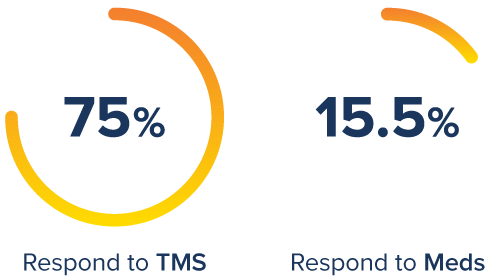
RESPONSE RATES
TMS Versus Medication
NEUROPLASTICITY
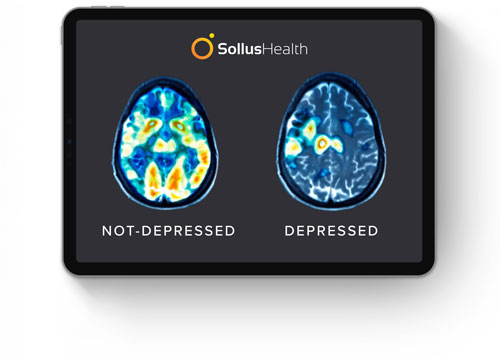
Brain Activity Increased with TMS
Proudly Serving San Diego Carlsbad Encinitas Oceanside San Marcos Vista
Break free from depression
Our team is here to guide you through a personalized journey to reclaim your mental health and regain control of your life.
TMS Therapy

At Sollus Health in San Diego, we understand the unique challenges pregnant women face when seeking mental health treatment. We offer compassionate, evidence-based TMS treatment in a serene clinical environment designed specifically for your comfort and well-being.
What is TMS and How Does it Work?
Basic Principles of TMS Treatment
TMS is a breakthrough treatment that uses targeted magnetic pulses to stimulate underactive areas of the brain, especially the region that controls mood regulation and emotional processing. The treatment works by placing a magnetic coil against the scalp, which sends controlled magnetic pulses about two to three centimeters into the brain. These pulses create small electrical currents that help brain cells communicate better. Different pulse patterns can either increase or decrease brain activity in the targeted area.
This stimulation helps your brain form new connections and pathways, leading to lasting mood improvements. The treatment requires no anesthesia or recovery time, making it ideal for pregnant women who need to keep up with their daily activities and prenatal appointments.
What is TMS therapy? Learn the science behind our drug-free approach to treating depression.
Types of TMS Treatment Protocols
TMS treatment protocols can be customized based on individual patient needs and specific clinical presentations. At Sollus Health, we utilize the Apollo chair system—the highest FDA-rated TMS equipment—to deliver precise, comfortable treatment protocols tailored to each patient's unique circumstances.
The most commonly used protocols for pregnant women include:
- Low-frequency TMS (1 Hz): Applied to the right dorsolateral prefrontal cortex, this protocol offers gentle yet effective stimulation
- High-frequency TMS (10-25 Hz): Delivered to the left dorsolateral prefrontal cortex, this approach provides another effective method for mood regulation with proven clinical results
- Theta burst stimulation: A newer protocol that delivers treatment in shorter sessions while maintaining therapeutic effectiveness, making it convenient for busy expectant mothers
- Bilateral stimulation protocols: These comprehensive approaches target both brain hemispheres for enhanced mood regulation and broader therapeutic benefits
Comparing TMS to Other Depression Treatments
TMS treatment offers distinct advantages over traditional depression treatments, particularly for pregnant women concerned about medication effects and treatment safety. Understanding these differences helps expectant mothers make informed decisions about their mental health care.
TMS benefits over traditional treatments include:
- Medication-free approach: TMS eliminates concerns about fetal drug exposure, metabolic changes, and potential birth complications while providing effective depression management
- Non-invasive procedure: Requires no surgical intervention, anesthesia, or recovery time compared to more intensive treatments, allowing immediate return to daily activities
- Minimal side effects: Most commonly involves mild scalp discomfort or brief headaches, unlike the systemic effects associated with antidepressant medications
- Preserved cognitive function: Maintains mental clarity and alertness throughout treatment, avoiding the "brain fog" that some patients experience with antidepressants
- No drug interactions: Allows continuation of prenatal vitamins and other necessary medications without interference or adjustment concerns
- Flexible scheduling: Sessions typically last 20-40 minutes and can be easily integrated into prenatal care routines without disrupting daily life
Safety Considerations for TMS During Pregnancy
Current Research on Fetal Safety
Comprehensive research involving over 70 documented cases of TMS treatment during pregnancy has revealed no major adverse events for mothers or infants. Studies following children exposed to TMS in utero for up to 62 months documented normal cognitive and motor development outcomes. Recent systematic reviews examining perinatal safety found no reported significant side effects for newborns, with documented cases showing generally healthy birth outcomes. These findings support TMS as a safe alternative for pregnant women who require depression treatment but prefer to avoid medication exposure.
Electromagnetic Field Exposure Concerns
The magnetic fields used in TMS treatment are focused only on the specific brain area being treated and are similar in strength to MRI scans, which are routinely performed during pregnancy when needed. Unlike MRI scans that use continuous magnetic fields, TMS delivers brief pulses that don't reach the uterus or developing baby.
Reproductive safety has been a primary focus of TMS research during pregnancy, with multiple studies examining how the treatment affects both mothers and babies. Leading medical organizations have created specific safety guidelines for using TMS during pregnancy and agree that the treatment poses very low risk when proper precautions are followed. These guidelines emphasize comfortable positioning for expectant mothers, especially in later pregnancy, and following established treatment protocols to ensure both maternal comfort and the baby's safety.
Monitoring and Risk Assessment Protocols
Comprehensive safety monitoring ensures the highest level of care throughout TMS treatment during pregnancy. Before treatment begins, patients receive a thorough evaluation, which includes a medical history review, psychiatric assessment, and coordination with their obstetrician.
During treatment sessions, continuous monitoring involves comfort assessments and positioning adjustments as pregnancy progresses. Some women may experience mild drops in blood pressure during later pregnancy, requiring position modifications to help maintain treatment effectiveness.
Regular progress monitoring tracks symptom improvement while obstetric teams ensure continued maternal and fetal well-being. Mental health providers and pregnancy care teams coordinate throughout treatment, with follow-up continuing through delivery and postpartum to monitor for any delayed effects.
Benefits and Applications of TMS in Pregnant Women
Managing Prenatal Depression Without Medication
Prenatal depression affects maternal well-being and fetal development, with untreated depression increasing risks of preeclampsia, substance use disorders, poor prenatal care, low birth weight, and preterm delivery. At Sollus Health, we understand that many pregnant women prefer non-pharmacological approaches. Research shows TMS treatment protocols demonstrate significant efficacy with approximately 70% of pregnant women reporting improvement in depressive symptoms, comparing favorably to medications while eliminating fetal drug exposure concerns.
Treatment Efficacy During Different Trimesters
TMS treatment efficacy and safety considerations vary somewhat across different stages of pregnancy, with research providing guidance for optimal treatment timing and protocols. Trimester-specific considerations include:
- First trimester treatment: Focuses on early intervention to prevent symptom progression, though many women are not yet aware of pregnancy during this period when treatment decisions are made
- Second trimester protocols: Benefit from increased treatment tolerance and reduced pregnancy-related discomfort, making this an optimal time for intensive treatment with excellent patient comfort
- Third trimester adaptations: Require position modifications for maternal comfort while maintaining treatment effectiveness through delivery, with careful attention to circulation and positioning
- Peripartum continuation: Allows treatment to extend through the early postpartum period to prevent postpartum depression development and maintain emotional stability
Post-Treatment Outcomes and Follow-up Care
The benefits of TMS treatment during pregnancy extend beyond the immediate treatment period, with many women experiencing sustained symptom improvement through delivery and into the postpartum period. This is particularly important for addressing perinatal depression, given the increased risk of postpartum depression in women with prenatal depression history. Long-term outcomes include:
- Sustained symptom remission: Many patients experience lasting relief for months to years after completing treatment, reducing the need for ongoing medication management and providing lasting mental health stability
- Improved maternal-infant bonding: Better maternal mental health during pregnancy and early postpartum leads to stronger emotional connections and relationships with newborns
- Reduced postpartum depression risk: Effective prenatal treatment and continued symptom monitoring help prevent postpartum depression, protecting both maternal and infant well-being
- Better treatment engagement: Patients are more likely to continue with ongoing mental health care after positive TMS experiences and sustained symptom improvement
At Sollus Health, our follow-up care protocols ensure continued support throughout the postpartum period. We work closely with each patient to monitor symptom stability, provide additional treatment sessions if needed, and coordinate care with other healthcare providers to ensure comprehensive support during this critical transition.
Why Choose Sollus Health for TMS Treatment During Pregnancy?
Sollus Health is North County San Diego's premier destination for TMS treatment during pregnancy. We combine cutting-edge technology with the compassionate, personalized care that expectant mothers deserve. Our commitment to excellence ensures that pregnant women receive the highest-quality treatment in an environment that prioritizes maternal comfort and fetal safety.
Our services for pregnant women include:
- Apollo chair system: We use the highest FDA-rated TMS equipment with advanced positioning capabilities to ensure optimal treatment delivery and maternal comfort throughout pregnancy.
- Specialized pregnancy protocols: Our treatment protocols are developed specifically for expectant mothers, with position modifications and safety considerations built into every session.
- Serene clinical environment: Our clinic features a botanical garden setting, soothing colors, and carefully selected background music to promote relaxation and healing during treatment.
- Compassionate, skilled technicians: Our technicians are selected for their exceptional listening skills and dedication to patient care. They provide emotional support throughout the treatment journey with genuine empathy.
- Flexible scheduling options: Our scheduling accommodates prenatal appointments and the changing needs of pregnancy, making treatment convenient and stress-free.
- Comprehensive insurance coverage: We accept most major insurance plans for TMS treatment. Our team handles authorization processes and documentation requirements to minimize administrative burden.
- Coordinated care approach: We work closely with obstetric providers to ensure integrated treatment planning and optimal outcomes for both mother and baby.
We understand that pregnancy brings unique concerns and considerations, and our entire team is trained to address these needs with sensitivity and expertise. Contact Sollus Health today to schedule your consultation and discover how TMS treatment can support your mental health journey during pregnancy.
FAQ



Can't find what you're looking for? Get in touch with our team and we will gladly help out.
Research demonstrates that TMS treatment maintains an excellent safety profile throughout all stages of pregnancy, with no major adverse events reported for mothers or infants. Follow-up studies confirm normal child development years after birth.
Studies show TMS treatment achieves high response rates in pregnant women with depression, comparable to medication effectiveness, while eliminating concerns about fetal drug exposure, birth complications, and the need for dose adjustments due to pregnancy-related metabolic changes.
TMS treatment is completely compatible with breastfeeding. The magnetic stimulation is localized to specific brain regions and does not affect breast milk production or composition, allowing mothers to maintain breastfeeding relationships without interruption or safety concerns.
You'll be seated comfortably in our specialized Apollo chair, and as your pregnancy progresses, we'll adjust your position to keep you comfortable and safe. During the session, you'll feel a gentle tapping sensation on your scalp as the magnetic coil delivers targeted stimulation to specific brain regions involved in mood regulation.
TAKE THE FIRST STEP TODAY
A Simple Process to Begin Your TMS Journey
Take the first step toward lasting relief from depression with TMS therapy, a non-invasive, medication-free treatment designed to restore your well-being.
Break free from depression
Our team is here to guide you through a personalized journey to reclaim your mental health and regain control of your life.